Understanding Water Heater Repair: Signs, Solutions, and Costs
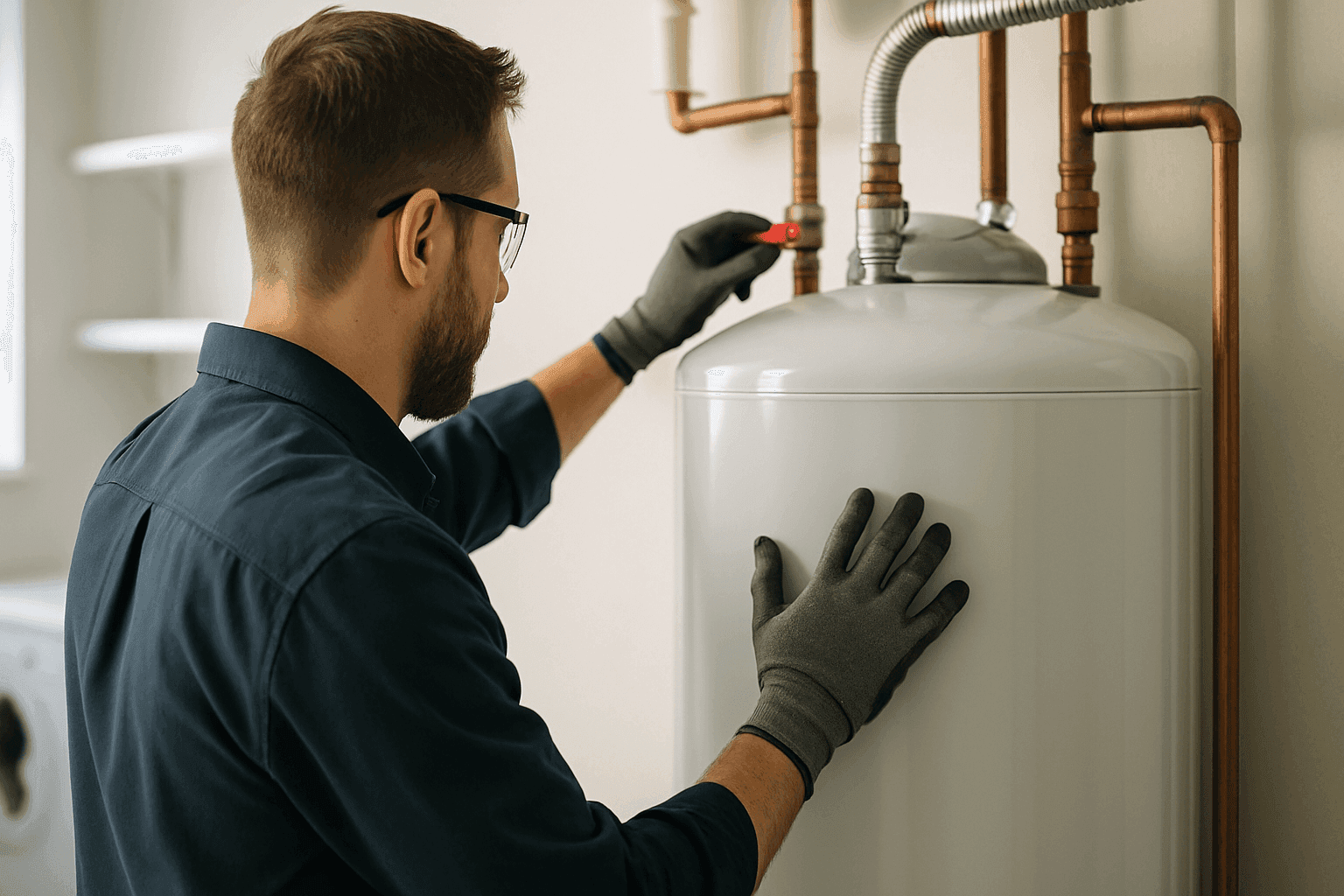
When your water heater starts acting up, it’s more than a cold shower—it’s a disruption to daily life. At Soracco Plumbing, we understand how unsettling it feels when hot water vanishes or strange noises echo from the basement. You want answers. Fast.
That’s where our licensed team steps in. We handle everything from emergency plumbing calls to routine water heater repair, so you can make confident decisions. Here’s what every homeowner needs to know.
Common Water Heater Issues 🔥
Water heaters are like the heart of your home’s plumbing—when something’s off, you feel it everywhere. Here are warning signs you can’t ignore:
- Strange noises—rumbling, popping, or banging. Think of it as your water heater’s way of crying for help.
- Inconsistent water temperature—scalding one minute, freezing the next.
- Visible leaks or puddles near the unit.
- Discolored or rusty water coming from taps.
- Low hot water pressure—showers feel more like a drizzle.
- Hot water runs out quickly—no more long, relaxing showers.
- Pilot light keeps going out (for gas units).
These signs signal a range of problems, from sediment buildup to failing heating elements or even gas line issues. Ignoring them can lead to bigger headaches—like water damage, mold, or worse.
Quick Safety Checklist
Before you do anything, safety comes first. A water heater is not just a big tank—it’s a mix of hot water, electricity, or gas. Here’s what to check:
- Smell gas? Turn off the gas supply immediately and leave the area. Call your utility provider and emergency plumbing help right away.
- See water pooling? Shut off water supply to the heater to prevent flooding.
- Hear popping or hissing? Turn off power/gas to the heater.
- If you’re ever unsure, don’t risk it—call for professional help.
The National Fire Protection Association (NFPA) and local building codes always recommend erring on the side of caution with gas appliances and plumbing.
DIY Checks vs. Pro Repairs
It’s tempting to tackle plumbing issues yourself. Some quick checks are safe, but others cross into “call a pro” territory.
Safe DIY checks:
- Check thermostat settings. Sometimes it’s accidentally bumped.
- Inspect for obvious leaks at connections or valves.
- Flush sediment (if you know how and your unit allows it).
Leave these to licensed plumbers:
- Electrical or gas line repairs.
- Replacing heating elements or thermostats.
- Diagnosing internal tank damage or corrosion.
- Complex issues like backflow prevention or gas line installation near you.
Remember, water heaters are under pressure. A wrong move can lead to burns, gas leaks, or flooding. Soracco Plumbing’s trained technicians can spot issues most people miss.
What the Pros Do On Arrival
When you call Soracco Plumbing, here’s a peek behind the curtain. Our technician:
- Inspects for leaks, corrosion, and loose connections.
- Checks gas, electric, and water lines for safety and code compliance.
- Tests temperature and pressure relief valve (critical for safety).
- Assesses the anode rod—this small part stops tank rust.
- Flushes tank to remove sediment if needed.
- Runs diagnostics on electronic controls, thermostats, and elements.
- Explains findings in plain English, not plumbing jargon.
If it’s fixable, we do it right. If replacement is the smarter route, we’ll walk you through options—no pressure, just facts.
Prevention & Maintenance
Just like you change oil in your car, water heaters need regular TLC:
- Flush the tank yearly to clear sediment (per manufacturer guidelines).
- Test the pressure relief valve every 6–12 months.
- Check for leaks or corrosion at least twice a year.
- Have a licensed plumber inspect the system annually—especially for gas safety.
Following these steps can extend your water heater’s life and help you avoid surprise emergency plumbing calls.
Costs & Time Factors 💧
Nobody likes surprises—especially when it comes to repair bills. Here’s what affects water heater repair costs:
- Type of unit: Gas, electric, or tankless.
- Age and condition: Older units may cost more to fix (or might be better replaced).
- Severity of issue: Minor fixes like thermostat replacement cost less than major tank repairs.
- Parts and labor: Some repairs need specialty parts that take time to source.
- Access: Units tucked in crawlspaces or tight corners can take extra time.
Average repair visits usually last 1–3 hours. Costs can range from a simple fix—like a valve or thermostat—to more complex issues like element replacement or leak repair. If the tank is leaking or corroded, replacement is often the safer and more cost-effective option.
When to Replace vs. Repair
Here’s the big question: should you repair or replace? Here’s how we help homeowners decide:
- If the unit is over 10–12 years old, replacement is usually smarter (per U.S. Department of Energy guidelines).
- Major leaks or rusted tanks mean it’s time for a new unit.
- Frequent repairs—if you’re calling us every few months, it’s time to talk replacement.
- Significant efficiency loss—rising utility bills or less hot water.
A new water heater can save energy, reduce water bills, and give peace of mind—especially with modern safety and efficiency features.
When It’s an Emergency 🚨
Some situations can’t wait:
- Active leaks or flooding—risk of water damage or mold.
- Gas smell near the unit—potential for fire or explosion.
- No hot water during freezing weather—pipes can freeze and burst.
If you’re facing any of these, call Soracco Plumbing for emergency plumbing service. We’re equipped to handle urgent situations, day or night.
FAQ: Water Heater Worries
How do I know if my water heater is about to fail?
Look for signs like rusty water, strange noises, and puddles near the tank. Age is also a factor—most units last 8–12 years.
Is it safe to relight my own pilot light?
If you smell gas, don’t try it. If you don’t, follow the manufacturer’s instructions. When in doubt, call a licensed plumber.
Can hard water ruin my water heater?
Yes. Minerals cause sediment buildup, which affects efficiency and life span. Regular flushing and water filtration systems help.
Do new water heaters need special electrical or gas work?
Often, yes. Upgrades may be needed to meet current code or efficiency standards.
Local & Seasonal Considerations
Water heater problems don’t wait for convenient weather. In colder months, demand for hot water rises and pipes are more likely to freeze. Preventative maintenance before winter can save you from a surprise cold shower—or worse, a burst pipe.
If you’ve recently had other work done (like gas line installation near you or repiping), it’s smart to have your water heater checked to ensure everything is still running safely and efficiently.
Hot water shouldn’t be a guessing game. If you spot any of these warning signs or just want peace of mind, Soracco Plumbing is ready to help. Our licensed technicians bring years of experience, clear communication, and a satisfaction-first approach to every job.
Call Soracco Plumbing now — or reach us anytime at 877-362-3197 .