How to Detect and Repair Hidden Plumbing Leaks in Your Home
Is there a mysterious puddle creeping across your floor? Maybe your water bill has jumped so high it feels like you’re watering the neighbor’s lawn by accident. Hidden plumbing leaks can sneak up on anyone—quietly causing damage, stress, and unexpected expenses. If you’re reading this, you’re already one step ahead.
At Soracco Plumbing, we’re called out for emergency plumbing at all hours. We’ve seen firsthand how a tiny leak behind a wall can grow into a big, expensive headache. Let’s walk through how to spot the warning signs early, what you can do yourself, and when it’s time to call in our licensed, insured team.
Signs of a Hidden Plumbing Leak 🕵️
Some leaks whisper. Others shout. Most try to hide until it’s too late. Here’s what to watch for around your home:
- Unusual Water Bills: If your usage spikes with no clear reason, suspect a hidden leak.
- Water Stains or Discoloration: Yellow or brown stains on ceilings, walls, or floors are red flags.
- Musty or Damp Odors: Mold loves hidden moisture. That earthy smell? It’s a clue.
- Peeling Paint or Bubbling Wallpaper: Moisture trapped behind surfaces can cause materials to pull away.
- Sounds of Dripping or Running Water: If you hear water when everything’s turned off, listen up.
- Warped Flooring or Sagging Ceilings: Water pooling in hidden places weighs down materials.
- Mold Growth: Black spots or fuzzy patches in corners mean moisture is lurking nearby.
A leak is like an iceberg. What you see is only a fraction of the real problem.
DIY Leak Detection Steps
Feel up for a little detective work? Here’s how you can check for leaks before calling for emergency plumbing:
Use Your Water Meter
- Turn Off All Water: Make sure no one’s using sinks, appliances, or flushing toilets.
- Check the Meter: Find your main water meter (usually in a basement, garage, or outside box).
- Record the Number: Write down the reading.
- Wait 1–2 Hours: Don’t use any water during this time.
- Check Again: If the number has moved, water is escaping somewhere.
Inspect Fixtures and Appliances
- Look under sinks and behind toilets: Feel for moisture, even if it’s just a damp pipe.
- Check around tubs and showers: Grout or caulk that’s pulling away can let water sneak behind walls.
- Examine crawlspaces and basements: Use a flashlight to spot puddles, rust, or new mold.
- Listen for hissing sounds: Especially near water heaters or boilers.
Toilet Dye Test
- Drop a few drops of food coloring into your toilet tank. Wait 15 minutes. If color appears in the bowl, you’ve found a silent leak.
Tip: Don’t forget outdoor faucets and hoses. In colder months, these can freeze and burst, causing leaks you may not see until spring.
Risks of Ignoring Leaks
Leaks don’t fix themselves. Here’s what can happen if you wait too long:
- Structural Damage: Water can rot wood, weaken drywall, and compromise your home’s foundation.
- Mold and Mildew Growth: According to the Environmental Protection Agency (EPA), mold can begin growing within 24–48 hours of a water leak.
- Electrical Hazards: Water and wiring are a dangerous mix—sometimes with life-threatening consequences.
- Wasted Money: Running water you can’t see adds up fast.
- Health Issues: Mold spores and dampness can worsen allergies and asthma, especially for children and seniors.
A leak behind the scenes is like termites in the walls—by the time you see the damage, it’s often extensive.
When to Call a Professional
DIY can only take you so far. Here’s when it’s smart (and safe) to call Soracco Plumbing:
- You Can’t Find the Source: If you’ve tried the meter test and checked visible plumbing with no luck.
- Major Water Damage: Ceiling sagging, warped floors, or visible mold mean it’s time for emergency plumbing help.
- Persistent Leaks: If you fix one area and water keeps appearing, the problem might be in the pipes you can’t see.
- Gas Lines or Sewer Smells: Never DIY with gas line installation or repairs. Call immediately if you suspect a leak.
- Backflow or Sewage: Raw sewage or contaminated water is a health emergency.
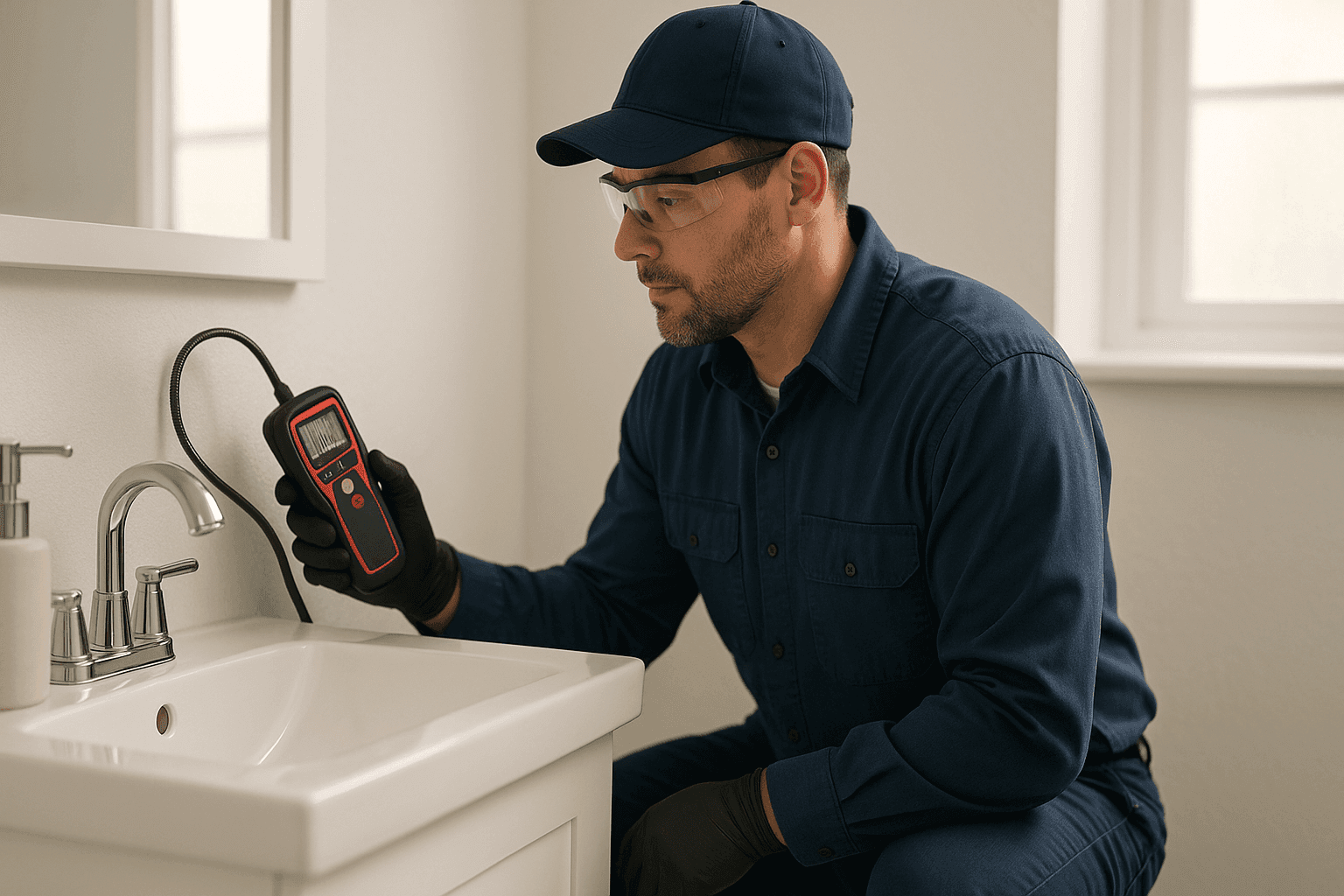
We use advanced tools—like acoustic leak detectors, thermal imaging cameras, and moisture meters—to pinpoint leaks without tearing up your home. Our team is fully licensed, insured, and trained for the latest safety and building code requirements.
Practical Tips for Leak Prevention
A little maintenance goes a long way. Here’s how to keep leaks from catching you off guard:
- Schedule Regular Plumbing Inspections: Especially for older homes or after a harsh winter.
- Install Water Filtration Systems: These can reduce mineral buildup that leads to corroded pipes.
- Insulate Pipes: Prevent freezing and bursting during cold snaps.
- Check Water Pressure: High pressure can stress joints. Ask about water pressure issues if your showers feel extra strong.
- Replace Old Fixtures: Dripping faucets and running toilets add up.
- Know Where Your Shutoff Valve Is: In an emergency, you can stop the flow fast.
The Cost and Time Factor
Leak repairs can range from a quick fix to a more involved project, depending on the location and extent of the damage.
- Small leaks (under sinks or at fixtures) are often resolved in under an hour.
- Hidden or structural leaks (inside walls, under slabs) may require several hours or more, especially if water damage remediation is needed.
- Material costs vary, but labor is typically the main factor.
- Insurance: Some homeowner policies cover water damage from leaks, but not always the plumbing repair itself. Check your policy.
Prompt action can save you hundreds—sometimes thousands—by preventing bigger repairs later.
When It’s an Emergency
Some leaks can’t wait. Call for emergency plumbing if:
- Water is pouring from ceilings, walls, or floors.
- There’s no water pressure anywhere in your home.
- You smell gas or suspect a gas line issue.
- Sewage is backing up into sinks, tubs, or toilets.
- The main shutoff valve won’t stop the flow.
Your safety comes first. Don’t risk injury or long-term damage to your home.
Frequently Asked Questions
How do I know if I have a leak inside my walls?
Signs include water stains, bubbling paint, musty smells, or sounds of running water. If in doubt, try the water meter test.
Can I use leak detection gadgets from the hardware store?
Some tools can help, but they’re less sensitive than professional equipment. For peace of mind, let a licensed plumber use advanced detection methods.
Is a small drip really an emergency?
A slow drip can waste gallons a day. Over time, that adds up to mold, damaged wood, and higher bills.
Will fixing leaks damage my home?
Our team uses minimally invasive tools to locate leaks. Most repairs are targeted to the problem area, not your whole wall or floor.
Local and Seasonal Considerations
- Winter: Cold snaps can freeze pipes in crawlspaces or exterior walls. Insulate and check regularly.
- Spring: Thawing ground can shift pipes, especially older sewer lines.
- After heavy rain: Sump pump repair and backflow testing keep basements dry. Watch for sudden dampness.
- Older homes: Aging pipes may need repiping or more frequent inspections.
Check with your local building department or the International Plumbing Code (IPC) for detailed safety and compliance information.
If you think you might have a hidden leak—or just want peace of mind—don’t wait. Call Soracco Plumbing now — or reach us anytime at 877-362-3197 .