Drain Cleaning 101: How to Unclog Sinks, Showers, and Tubs Safely
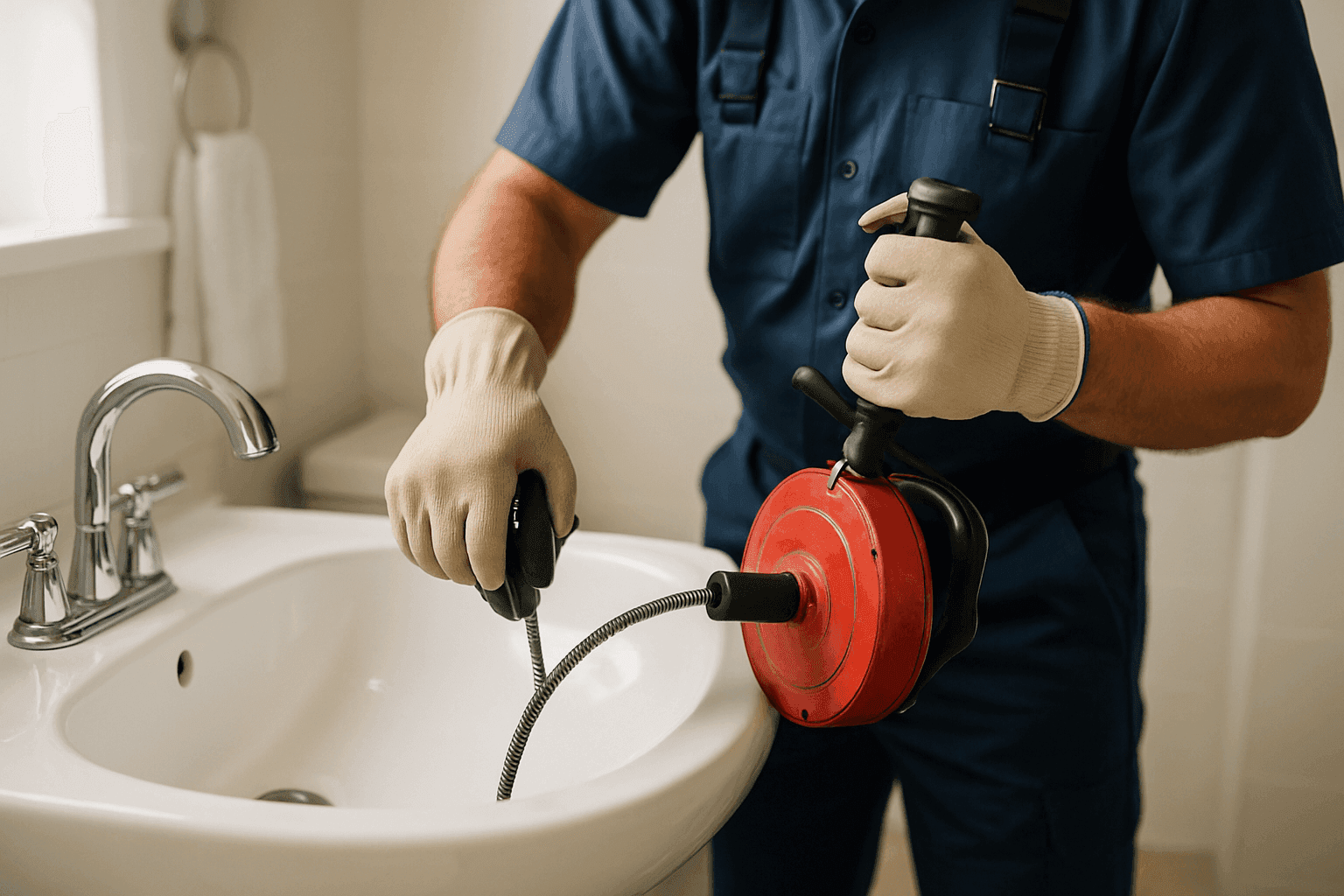
When water starts pooling around your ankles in the shower, or your kitchen sink gurgles and refuses to drain, it’s more than a minor annoyance. It’s disruptive and—if ignored—can leave you with a real mess. We’ve all been there. At Soracco Plumbing, we see these problems every day and know just how quickly a simple clog can spiral into a plumbing emergency.
You want the water gone. Fast. But you don’t want to damage your pipes or make things worse. This guide walks you through safe, practical ways to clear household drains—plus how to spot the signs it’s time for help from a professional emergency plumbing service.
Common Causes of Clogs 🚿
Clogs don’t just appear out of nowhere. They’re usually the result of everyday habits:
- Hair collects in shower and tub drains, binding with soap and forming knots that block water.
- Food scraps and grease slide down kitchen sinks, cooling and clinging to pipe walls.
- Soap scum and toothpaste build up in bathroom sinks.
- Small objects: Jewelry, cotton swabs, and even kids’ toys can slip through drain openings.
Think of your pipes like a city’s old roads. Years without maintenance, and the potholes—clogs—will show up. With regular attention, you can keep everything flowing.
Quick Safety Checklist
Before you start, run through these steps:
- Turn off the water supply if needed to prevent overflow.
- Use gloves—you never know what’s hiding in those pipes.
- Keep a bucket and towels nearby to catch spills.
- Check for standing water—never stick your hands in if you can’t see the bottom.
- Know your material: Old pipes (especially galvanized or fragile PVC) can crack under too much force.
If you’re ever unsure, stop. It’s better to wait than risk a costly repair.
DIY Methods for Minor Clogs
Many clogs can be cleared with simple tools and household items. Here’s how to start:
1. The Plunger—Not Just for Toilets
- Fill the sink or tub with enough water to cover the plunger’s cup.
- Place the plunger over the drain, making sure it seals tight.
- Pump up and down with quick, forceful strokes.
- Remove and see if the water drains.
This is like using a bellows to force air through a chimney. Sometimes, all it takes is a little push to clear the path.
2. Baking Soda and Vinegar
- Pour half a cup of baking soda into the drain.
- Add a cup of white vinegar.
- Watch for fizzing—this reaction helps break up minor grime.
- Wait 15 minutes, then flush with hot (not boiling) water.
This method is gentle and doesn’t harm your pipes. It’s especially good for kitchen sinks with lingering odors.
3. Manual Drain Snake (Auger)
- Insert the snake into the drain, slowly rotating the handle.
- When you hit resistance, keep twisting—don’t force it.
- Pull out the snake. With luck, you’ll bring up the clog.
- Rinse with hot water.
A drain snake is like sending a scout into a maze—sometimes it’ll find the exit, sometimes you’ll need backup.
4. Remove and Clean the Trap
- Place a bucket under the U-shaped pipe (the trap) beneath the sink.
- Unscrew the connectors and gently remove the trap.
- Clear out any debris.
- Reassemble and test for leaks.
Always hand-tighten connections when putting the trap back. Over-tightening can crack plastic fittings.
What NOT to Do: Chemical Cleaner Risks
It’s tempting to reach for “miracle” drain cleaners. Most contain harsh chemicals—lye, acids, or bleach—that promise fast results. Here’s why that’s risky:
- They can corrode pipes, especially older metal or thin PVC.
- Toxic fumes are dangerous, particularly in small bathrooms.
- Residue can linger, harming septic systems and the environment.
- Mixing chemicals (even accidentally) can cause dangerous reactions.
The Environmental Protection Agency (EPA) urges caution with household chemicals. At Soracco Plumbing, we favor eco-friendly solutions and mechanical methods for both safety and effectiveness.
Signs You Need a Pro
DIY methods are great for minor clogs. But some situations need a skilled hand:
- Water backs up in multiple fixtures (like sinks and tubs at the same time)—could signal a main line blockage.
- Repeated clogs in the same drain, even after cleaning.
- Standing water that won’t budge.
- Bad odors that linger after you’ve tried everything.
- Gurgling sounds or bubbling in other drains when you run water.
- Visible leaks or water stains under sinks.
If you notice any of these, it’s time to call for emergency plumbing. Delaying can mean bigger repairs down the road.
DIY vs. Call a Pro
Not all clogs are created equal. To help you decide:
- DIY is best for slow drains, minor hair or food clogs, and shallow blockages.
- Call a professional if you’re dealing with:
- Deep blockages
- Sewer line issues
- Flooding
- Any uncertainty about your plumbing’s condition
Remember, forcing a clog with the wrong tool can push it further down—or worse, crack a pipe. A plumbing emergency isn’t worth the risk.
What Pros Do On Arrival
When Soracco Plumbing arrives, here’s what you can expect:
- Inspection: We check your system, often using a small camera for tough blockages.
- Mechanical clearing: Using professional-grade augers or hydro-jetting for stubborn clogs.
- Assessment: Evaluating your pipes for cracks, leaks, or root intrusion.
- Advice: Offering safe, long-term solutions and maintenance tips.
We’re thorough because your home deserves it. Our team uses methods that align with Uniform Plumbing Code (UPC) safety standards.
Prevention & Maintenance
The best way to fight clogs is to stop them before they start:
- Use drain strainers to catch hair and food scraps.
- Never pour grease down kitchen sinks—it solidifies and traps debris.
- Flush drains weekly with hot water.
- Regularly clean stoppers in sinks and tubs.
- Schedule annual plumbing inspections—especially if you have older pipes or frequent issues.
Preventative maintenance, including backflow testing and leak detection, can help avoid surprise emergencies.
Costs & Time Factors
Every drain is different. Here’s what to expect:
- DIY fixes: Usually take 15–60 minutes, with minimal expense (plunger, baking soda, etc.).
- Professional cleaning: Can range from quick (30 minutes for a single clog) to several hours for main line or complex blockages.
- Repairs: If damage is found, costs and time can increase—especially for pipe repair, repiping, or sewer line installation.
The sooner you act, the less you’ll spend—in time, stress, and money.
When It’s an Emergency
Some situations can’t wait:
- Overflowing water that won’t stop.
- Sewage backup—a serious health risk.
- Loss of water pressure throughout the house.
- Gas odors near plumbing fixtures (call emergency services first).
- Multiple drains clogged at once.
Soracco Plumbing offers emergency plumbing services for these moments. Don’t risk your health or home—reach out right away.
Frequently Asked Questions
How can I tell if a clog is in the main line?
If multiple fixtures (toilets, showers, sinks) all back up at once, the main sewer line is likely blocked. You might also notice gurgling sounds or water coming up in unexpected places.
Are chemical cleaners ever safe to use?
Most chemical cleaners are risky for both your plumbing and your health. If you must use one, always follow the manufacturer’s safety instructions and wear gloves and eye protection. Mechanical methods are safer and better for your pipes.
Should I try to snake my own drain?
For minor clogs, a small manual snake is safe. But if you feel resistance or the clog is far down the line, stop. Forcing the snake can damage pipes or push the clog deeper.
How often should I clean my drains?
Check and flush your drains monthly with hot water, and clean stoppers and strainers weekly. For homes with lots of hair or food debris, more frequent attention may help.
Local & Seasonal Considerations
In colder months, pipes can contract and clogs form more easily. If you live in an area with hard water, mineral deposits build up faster—especially in older homes. Spring storm season? Watch for flooding or sump pump issues. Soracco Plumbing handles everything from seasonal maintenance to emergency plumbing and Gas Line Installation near you.
If your sink, tub, or shower won’t drain—or you’re facing a plumbing emergency—help is a call away. Call Soracco Plumbing now — or reach us anytime at 877-362-3197 .