Water Filtration Systems for Homes: Benefits, Options, and Installation
Clean water is the backbone of a safe, comfortable home. If you’ve ever turned on the tap and wondered what’s really in your water, you’re not alone. Water quality is a concern for families everywhere. Many folks only think about it when something goes wrong or in the middle of an emergency plumbing call—but the best time to act is before there’s a problem.
At Soracco Plumbing, we understand how vital safe water is. From emergency plumbing to Gas Line Installation near you, our team sees firsthand how water impacts daily life. Let’s dive into why water filtration matters, how to choose the right system, and what installation really involves.
Why Filter Your Water? 💧
Picture your tap as a river flowing straight into your kitchen. But what’s riding that current? Even if your water tastes fine, it could still carry invisible guests—minerals, chemicals, and even tiny critters you’d never invite inside.
Common Water Contaminants
- Chlorine & Chloramines: Used for disinfection, but can leave behind harsh tastes and odors.
- Lead: Old pipes or fixtures may leach lead, especially in homes built before 1986.
- Microbes: Bacteria, viruses, and parasites can sneak in during line breaks or extreme weather.
- Sediment: Sand, rust, or silt cloud water and wear down appliances.
- Pesticides & VOCs: Runoff from agriculture or industry sometimes finds its way into municipal supplies.
The U.S. Environmental Protection Agency (EPA) sets strict standards for public water, but not every contaminant is regulated, and local issues can crop up. For private wells, homeowners are responsible for their own testing and treatment (see CDC guidelines for well owners).
Health and Taste Benefits
Filtering your water isn’t just about safety. It’s about peace of mind. Clean water can:
- Reduce risk of lead exposure, gastrointestinal illness, and chemical ingestion.
- Improve taste by removing chlorine and other chemicals.
- Protect plumbing by minimizing mineral buildup and corrosion.
- Safeguard appliances like dishwashers and water heaters from sediment damage.
Think of a filtration system as a bouncer for your home’s water supply—letting in what you want, keeping out what you don’t.
System Comparison: Types of Home Water Filtration
Not all filtration systems are created equal. Your needs may be as unique as your home’s plumbing. Here are the main options Soracco Plumbing sees for residential customers:
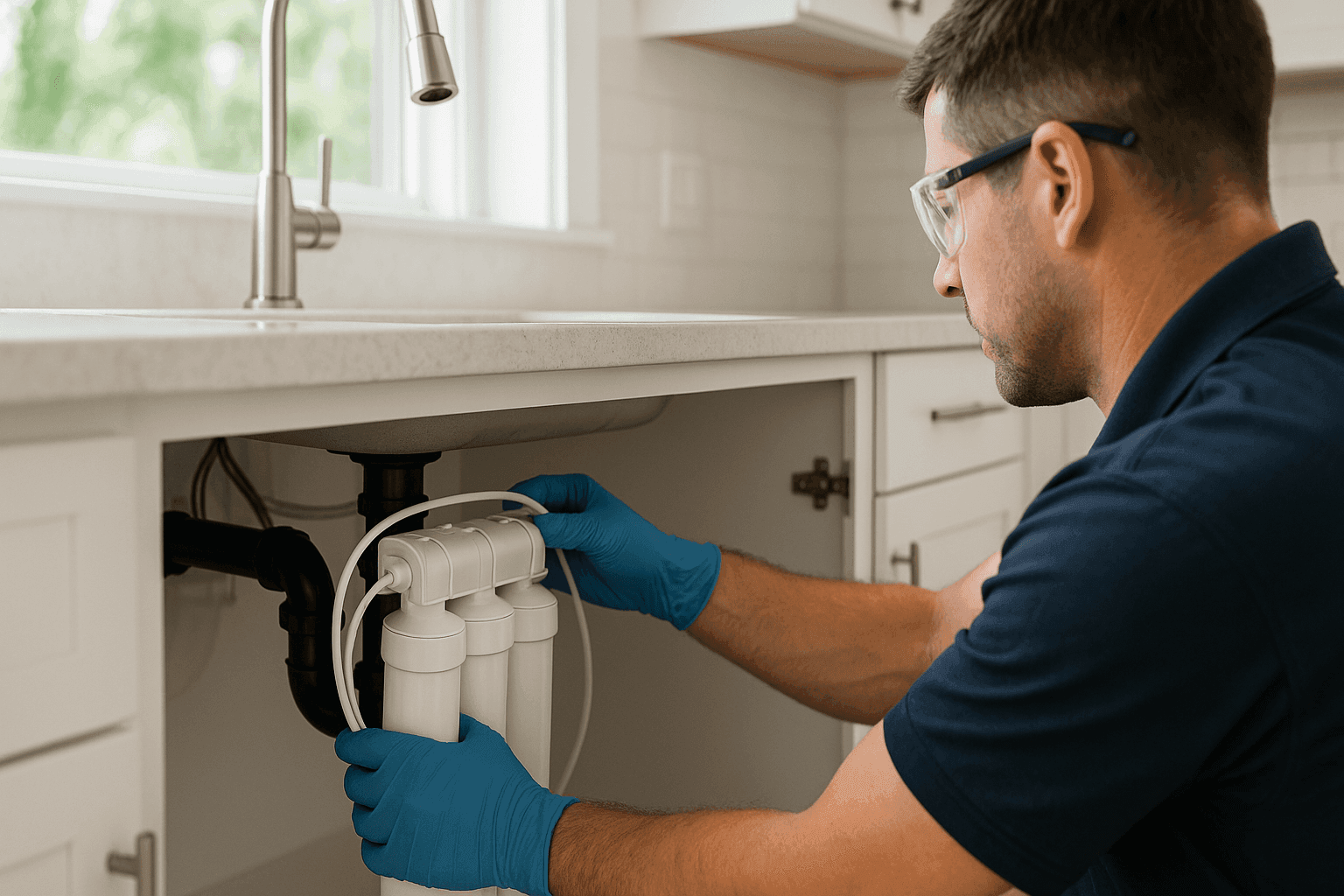
Under-Sink Filters
- How it works: Installed beneath a single sink (often the kitchen), these systems treat water at one point.
- Best for: Drinking and cooking water.
- Pros: Affordable, easy filter changes, and minimal space required.
- Cons: Only filters water from that tap.
Whole House (Point-of-Entry) Systems
- How it works: Installed where water enters your home, these filter every drop—showers, laundry, kitchen, and more.
- Best for: Families wanting comprehensive protection from sediment, chlorine, and more.
- Pros: All taps benefit, reduces wear on appliances.
- Cons: Higher initial cost, requires professional installation, periodic maintenance.
Reverse Osmosis (RO) Systems
- How it works: Pushes water through a semi-permeable membrane, trapping contaminants at the molecular level.
- Best for: Households with specific needs—extra sensitivity to lead, nitrates, or taste concerns.
- Pros: Removes many contaminants most filters miss.
- Cons: Slower flow rate, wastes some water, typically under-sink only.
Other Options
- Carbon Pitcher Filters: Quick, portable, but less effective for serious contaminants.
- UV Purifiers: Great for killing bacteria and viruses but don’t remove chemicals or minerals.
Choosing the Right System
Every home is different. A big family with a backyard garden and an old water main has different needs than a couple in a new build. Here’s how to navigate the choice:
Key Questions to Ask
- What’s in your water? Get it tested. Many local health departments or certified labs offer water testing. Soracco Plumbing can provide guidance based on your area’s water history.
- What are your concerns? Taste, odor, health, appliance protection, or all of the above?
- Where do you want filtered water? Just one tap, or the whole house?
- What’s your budget? Remember to weigh installation and long-term filter replacement costs.
Practical Tips
- Read product certifications: Look for NSF/ANSI Standard 53 (health effects) or Standard 42 (aesthetic effects) on filters.
- Consider flow rate: Whole house systems need to accommodate your family’s water use without slowing everything down.
- Think about maintenance: How often will you need to change filters? Is it a quick DIY job or does it require a pro?
Professional Installation Steps
Installing a water filtration system isn’t a Sunday afternoon project for most homeowners. Here’s what the process looks like when you work with Soracco Plumbing:
1. Assessment
Our team reviews your water test results, plumbing layout, and specific needs—whether you’re focused on lead, chlorine, sediment, or something else.
2. Recommendation
We help select the right system for you. Sometimes that’s a whole house filter. Other times, an under-sink or reverse osmosis system is ideal. We explain the options, so you feel confident.
3. Installation
A licensed plumber installs the system according to local and state plumbing codes, ensuring:
- Safe pipe connections and leak prevention
- Proper shut-off valves for maintenance
- Bypass valves (for whole house systems) so water keeps flowing during filter changes
4. Testing & Handover
We flush the lines, check for leaks, and verify pressure. Then, we show you how to change filters and what to watch for.
Remember: Some installations require backflow prevention or pressure regulators, especially in older homes. Soracco Plumbing handles these checks as part of our process.
Maintaining Your Water Filtration System 🛠️
Even the best system needs regular attention to keep working at its best.
- Change filters as recommended: Most need swapping every 3–12 months.
- Watch for pressure drops: Can signal a clogged filter.
- Check for leaks: Especially after filter changes.
- Schedule annual inspections: A pro can spot hidden issues before they become emergencies.
The CDC and NSF International both recommend routine maintenance to avoid bacterial buildup and keep systems efficient.
Frequently Asked Questions
How do I know if my water needs filtering?
If your water smells, tastes odd, or leaves stains on fixtures, that’s a clue. But even clear water can hide contaminants. Testing is the only way to know for sure.
Will a filtration system remove hard water (scale)?
Most standard filters reduce chlorine, lead, or sediment, but not hardness (calcium/magnesium). For hard water, a water softener might be needed—ask about combined systems.
Can I install a filter myself?
Some pitcher or faucet-mount filters are DIY-friendly. Under-sink and whole house systems, especially those tied to emergency plumbing or Gas Line Installation near you, are safest when handled by licensed pros.
How do I maintain my system?
Check and change filters as the manufacturer suggests. Keep an eye out for leaks and call for help if you notice changes in taste or pressure.
Local and Seasonal Considerations
Water quality isn’t static. Heavy rains, droughts, or seasonal runoff can all affect your supply. In colder climates, winter can bring pipe bursts, while summer brings higher water demand and sometimes more contaminants. After any major plumbing project—like Sewer Line Repair or Repiping—retesting your water is wise.
If you’re unsure about your local water situation, Soracco Plumbing stays updated on regional advisories and code guidelines. We’re ready to help with emergency plumbing and long-term solutions alike.
Clean, safe water shouldn’t be a gamble. Whether you need kitchen plumbing upgrades, leak detection, or advice on Gas Line Installation near you, Soracco Plumbing brings clarity and confidence to your home’s water.
Call Soracco Plumbing now — or reach us anytime at 877-362-3197 .