Sump Pump Maintenance and Repair: Keep Your Basement Dry
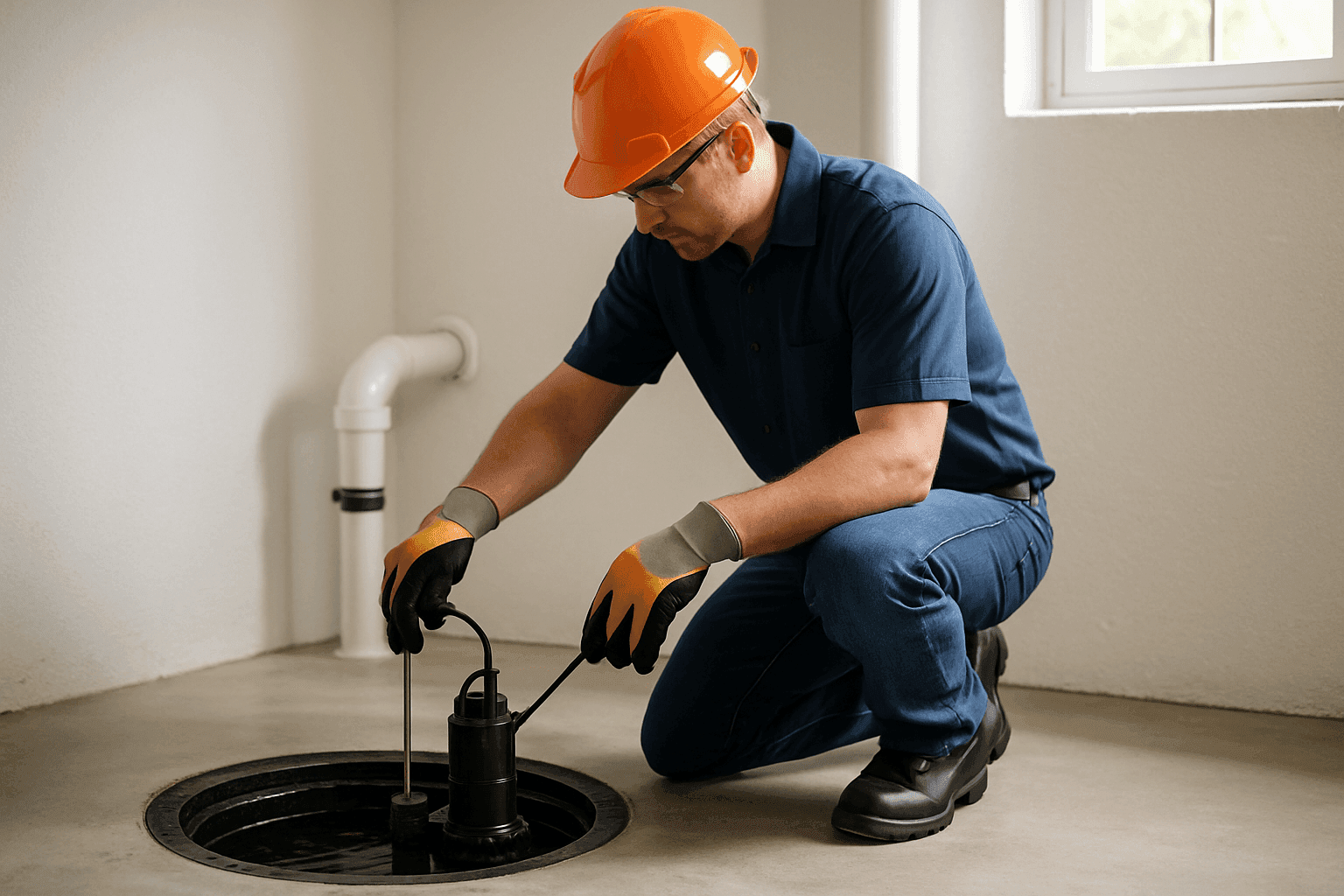
If you’ve ever walked downstairs after a storm and found water creeping across your basement floor, you know the panic. You think about family photos, holiday decorations, and the old couch—soaked, maybe ruined. For many homeowners, a sump pump is the silent guardian standing between a dry basement and disaster.
At Soracco Plumbing, we’ve helped countless families through those anxious, soggy moments. We’re ready around the clock, with emergency plumbing teams that know the ropes. Let’s talk about how your sump pump works, what can go wrong, and how to keep your basement safe no matter what the skies throw your way.
How Sump Pumps Work 🚰
Imagine your basement as the bottom of a bowl. Rainwater, melting snow, or even a burst pipe can all find their way down there. Without a way out, water pools and seeps into walls and floors.
That’s where your sump pump comes in. It sits in a pit—called the sump basin—at the lowest point of your basement. As water fills the pit, a float switch rises. When the water gets high enough, the switch clicks on the pump, which quickly sends the water outside through a discharge pipe. It’s like having a bouncer at your basement door, kicking excess water out before it turns into a real problem.
There are two main types of sump pumps:
- Submersible pumps: These live in the pit, underwater. They’re quieter and handle debris better.
- Pedestal pumps: These stand above the pit, with only the base in the water. Easier to access, but a bit noisier.
Both types are workhorses, but even the toughest equipment has weak spots.
Essential Sump Pump Maintenance
A little attention now keeps headaches away later. Here’s how you can help your sump pump work its best:
Test Your Pump
- Pour a bucket of water slowly into the sump pit. The float should rise and the pump should kick on.
- If nothing happens, or if the pump runs but doesn’t remove water, something’s off.
Keep It Clean
- Unplug the pump (always unplug before touching!).
- Remove it from the pit and rinse off any mud or debris.
- Wipe down the grate at the bottom—clogs here can burn out the motor.
Power and Backup Checks
- Make sure the pump is plugged into a grounded outlet.
- If you have a battery backup, check the battery’s charge and replace it every few years.
- Consider a water-powered backup for peace of mind during extended outages.
Discharge Line Inspection
- Walk outside and find where the pipe ends.
- Clear away leaves, dirt, or ice.
- Make sure water flows away from your foundation, not back toward it.
Seasonal Tune-Up
- Before the rainy season, give your pump a full test and cleaning.
- After a big storm, double-check for debris or signs of overwork.
Signs of Trouble: What to Watch For ⚠️
A sump pump will rarely wave a red flag, but it does whisper warnings. Listen for these:
- Strange noises: Grinding, rattling, or constant running are cries for help.
- Musty smells: Standing water or mold in the pit means drainage isn’t happening.
- Visible rust or corrosion: This means trouble with components.
- Pump runs but doesn’t move water: A clog or broken impeller could be to blame.
- Frequent cycling: Turning on and off every few minutes, even when it’s not raining? Something’s off with the switch or wiring.
If you notice any of these, act fast. Water damage and mold move in quickly.
Repair or Replace? Knowing When to Act
How old is your pump? Most sump pumps last 7–10 years with regular care. But if yours keeps acting up, repairs only go so far.
- Repair makes sense if: There’s a minor clog, a stuck float, or a loose connection. These are quick fixes.
- Replacement is smarter if: The motor’s failing, the body is corroded, or you’re calling for help every rainy season.
Don’t gamble with water damage. When in doubt, get a professional opinion. Soracco Plumbing offers emergency plumbing services day or night—sometimes it takes a trained eye to spot hidden issues.
How to Stay Ahead: Maintenance Steps You Can Do
A little effort pays off big. Here’s your checklist:
- Test monthly by pouring water into the pit.
- Clean the pit every three months—remove dirt, stones, or lost toys.
- Check the power after every storm or outage.
- Inspect discharge lines for clogs or freezing.
- Listen and sniff—unusual sounds or smells mean it’s time to investigate.
A sump pump is like a smoke alarm for water. Don’t ignore the routine—your dry basement depends on it.
Storm & Flood Season Tips 🌧️
When storms hit, sump pumps work overtime. Here’s how to get ready:
- Clear gutters and downspouts so water flows away.
- Grade soil near your home’s foundation to slope outward.
- Install a backup pump if you live in a flood-prone area.
- Know your insurance—some policies require proof of maintenance for water damage claims.
The National Association of Home Builders recommends testing your sump pump at least twice a year—especially before storm season. Don’t wait for the forecast to turn ugly.
When It’s an Emergency
Sometimes, despite your best efforts, water finds a way in. Here’s when to call Soracco Plumbing for emergency plumbing help:
- Basement flooding: Water is rising, and the pump won’t start.
- Gushing noises or visible leaks: These signal a broken pipe or burst line.
- Electrical burning smell: Unplug the pump and get help immediately.
- Backup failure during a power outage: If the backup won’t run, you need help fast.
During emergencies, our teams are ready to mobilize. We work cleanly and quickly, putting safety first and explaining every step.
What Happens When Pros Arrive
When Soracco Plumbing arrives, here’s what you can expect:
- Assess the scene: We check the water level, power, and pit.
- Test the pump: Is it running? Is the float stuck? Any clogs?
- Inspect the discharge system: We follow the pipe to look for blockages or ice.
- Check backup systems: Battery, water-powered, or generator connections.
- Diagnose and repair: We’ll fix what we can on the spot—sometimes it’s a simple switch; other times, a full replacement is needed.
- Offer prevention tips: We show you how to test and maintain your system going forward.
We don’t just fix the problem. We help you understand what happened and how to prevent it in the future.
What Does It Cost? Time Factors Explained
Sump pump repairs and replacements can vary:
- Simple repairs: Like clearing a clog or replacing a float—often a quick visit.
- Full replacement: Removing the old pump, installing a new one, and testing the whole system takes longer, especially if the pit or discharge line needs work.
- Emergency calls: After-hours or storm surge situations may take extra time due to higher demand.
We’ll always explain what’s happening, and we’re upfront about what you can expect in terms of time and complexity.
Frequently Asked Questions
How often should I replace my sump pump?
Most last 7–10 years. If yours is older or seems unreliable, consider updating before the next rainy season.
Can I install a battery backup myself?
Some homeowners do, but if you’re not comfortable with electrical work and plumbing, it’s wise to call an emergency plumbing professional.
Why does my sump pump keep running even when it’s dry?
This could be a stuck switch, faulty float, or electrical issue. Pro repair is recommended.
Is maintenance required for insurance claims?
Many insurance companies look for proof of regular maintenance before covering water damage. Keep a log and receipts.
Local & Seasonal Considerations
In areas with heavy winter snow or frequent storms, sump pumps work hardest in spring and fall. If you live near a river, lake, or low-lying part of town, flooding risk is higher. After big storms or thaws, check your system even if everything seems dry. The International Association of Certified Home Inspectors and local building codes agree—routine sump pump checks are critical for preventing costly damage.
Your Dry Basement, Year-Round
A sump pump is your basement’s unsung hero. Whether it’s a sunny week or a rainy stretch, a little care keeps it ready for anything. If water’s rising or your pump is acting up, don’t wait. At Soracco Plumbing, we’re on standby with emergency plumbing solutions, from Gas Line Installation near you to urgent leak repair and beyond.
Call Soracco Plumbing now — or reach us anytime at 877-362-3197 .