The Homeowner’s Guide to Sewer Line Repair and Replacement
If you’ve ever come home to the unmistakable smell of sewage—or worse, a soggy, sunken patch in the yard—you know just how fast a sewer line problem can turn life upside down. Plumbing never waits for a convenient moment. That’s why Soracco Plumbing answers emergency plumbing calls day and night, bringing decades of experience to every home.
Nobody wants to think about their sewer line until it’s too late. But understanding the warning signs, what’s involved in diagnosis, and your options for repair or replacement can save you headaches, time, and money down the line.
Signs of Sewer Line Issues 🛑
Sewer line trouble rarely starts with a dramatic geyser in the basement. Most often, it’s small clues—easy to miss if you don’t know what to watch for.
- Recurring Drain Backups: If that slow shower or gurgling toilet keeps coming back, it could be deeper than a simple clog.
- Foul Odors: The smell of rotten eggs or sewage around drains, the basement, or outside is a classic red flag.
- Soggy or Sunken Lawn: A wet patch on your lawn with no rain can mean a buried leak. Sometimes, the grass over a leak grows faster and greener.
- Mold or Damp Walls: Moisture from a leaking sewer pipe can travel far, showing up as mysterious patches or warped wall surfaces.
- Unusual Sounds: Bubbling, gurgling, or hissing noises from pipes when water isn’t running.
Don’t ignore these signals. Sewer line issues don’t fix themselves—they only get worse.
How Pros Diagnose Sewer Problems
Diagnosing a sewer problem is a bit like detective work. Guesswork doesn’t cut it. Here’s how pros get to the root of the issue:
Camera Inspections
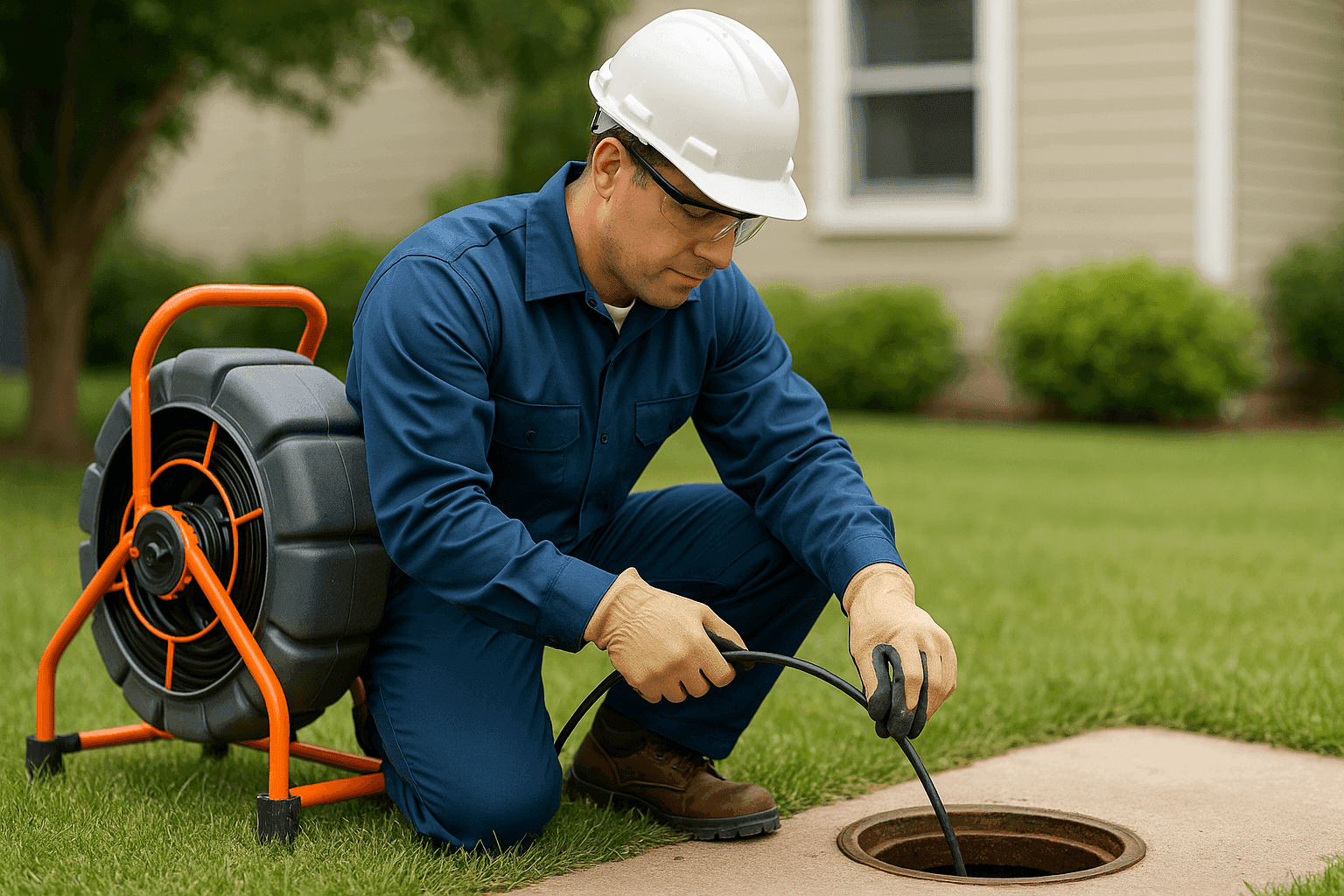
Imagine sending a tiny submarine deep into your pipes. That’s what a high-definition sewer camera does. Plumbers insert a flexible camera through a cleanout, navigating the entire line to spot blockages, breaks, or root invasions.
- Pinpoints the problem: No unnecessary digging.
- Saves time: Identifies the exact location and extent of damage.
- Records evidence: Some cities require proof for permits or insurance.
At Soracco Plumbing, our camera inspections are thorough, fast, and minimize disruption. We’ve seen everything from roots weaving through joints to collapsed clay pipes.
Other Diagnostic Tools
- Smoke Testing: Non-toxic smoke pumped into the lines can reveal hidden leaks as it escapes through cracks.
- Hydrostatic Testing: Checks for leaks by filling sections with water and observing pressure changes.
The right tools mean fewer surprises—and a solution matched to your home.
Repair vs. Replacement Options
Not every sewer issue means a full replacement. The right fix depends on age, pipe material, location, and severity.
Repairs: When a Patch Will Do
- Spot Repairs: If damage is limited to a small section, only that area gets replaced.
- Pipe Relining: A resin-soaked liner is inserted and cured inside the old pipe, creating a new, jointless pipe within the existing one.
Replacement: When the Old Line Is Done
- Traditional (Trench) Replacement: The old method. Dig up and replace the entire pipe. Works for severe collapses or when pipes are beyond repair.
- Trenchless Replacement: No need to turn your yard into a construction site. With pipe bursting or pipe lining, new pipe is pulled or formed inside the old one, with minimal digging.

Trenchless methods usually mean less mess, faster work, and lower landscaping costs. But not every situation fits. Our team at Soracco Plumbing has hands-on experience with both, helping homeowners choose what’s best for their property and budget.
Costs & Timelines
Let’s talk numbers—without empty promises. Every home and job is different, but here’s what to expect:
- Camera Inspection: Often a flat fee, but costs can sometimes be credited toward repair.
- Spot Repairs: Usually the fastest, sometimes done in a day.
- Trenchless Replacement: Typically 1–2 days, with less yard disruption.
- Traditional Replacement: Can take several days, especially if concrete or landscaping is involved.
Costs depend on:
- Length and depth of the pipe
- Pipe material (cast iron, clay, PVC)
- Accessibility (under driveways or trees)
- Type of repair or replacement
Permits are a must. City codes (like the California Plumbing Code) set standards for pipe materials, slope, and depth. Always hire licensed plumbers who pull the right permits and follow code.
Tip: Some homeowner’s insurance policies may cover certain sewer repairs—check your policy.
How to Minimize Disruption
- Clear the work area: Move cars, outdoor furniture, and pets.
- Plan for water shutoff: Some repairs mean no water for a few hours.
- Ask about access points: Sometimes repairs can be done from outside, with no need to enter your home.
- Trenchless options: Ask if your problem qualifies—this can save your landscaping.
Practical Safety Tips
- Never ignore sewer gas smells. Methane is explosive and dangerous.
- If you see sewage backing up, avoid contact. Pathogens can cause illness.
- Keep kids and pets away from soggy or sunken areas in the yard.
The Occupational Safety and Health Administration (OSHA) and local health departments offer guidance on safe practices during sewer work. Always ask your plumber about their safety protocols.
Why Experience Matters
Sewer line repair isn’t for the faint of heart. At Soracco Plumbing, we’ve handled everything from 100-year-old clay pipes to modern PVC. We know local codes, permit procedures, and the quirks of Bay Area soil.
Our team uses up-to-date diagnostic tools and has deep experience with both trenchless and traditional methods. You’ll always know what to expect, with no hidden surprises.
Frequently Asked Questions
Q: Can I just use chemical drain cleaner to fix my sewer line?
A: Chemical cleaners only treat minor clogs near the surface. They can also damage old pipes. Deep blockages, roots, or breaks need professional attention.
Q: Will my yard be destroyed during sewer line work?
A: Not always. Trenchless methods can often repair or replace pipes with only a couple of small access holes.
Q: How can I prevent sewer line problems?
A: Avoid flushing wipes, grease, and hygiene products. Get regular drain cleaning and have roots trimmed if you have large trees nearby.
Local and Seasonal Considerations 🌦️
In older neighborhoods, clay and cast iron pipes are more common—both are prone to roots and corrosion. Heavy rains can overwhelm aging lines, leading to backups. If you’re planning a remodel or new landscaping, have your sewer line inspected first.
Winter storms? Frozen ground makes digging harder, so spring and summer are often the best times for larger projects. But with emergency plumbing, speed matters—Soracco Plumbing is ready year-round.
When strange smells or soggy lawns strike, don’t wait. Sewer line issues can get worse in a hurry. If you need fast, experienced help with sewer line repair, replacement, or emergency plumbing, Soracco Plumbing is here—day or night.
Call Soracco Plumbing now — or reach us anytime at 877-362-3197 .