Preventing Frozen Pipes: Winter Plumbing Tips Every Homeowner Needs
Winter sneaks up fast. One day, it’s a chilly breeze; the next, you’re waking to a frozen faucet or—worse—a puddle where your belongings used to be dry. For homeowners, frozen pipes are more than an inconvenience. They're a disaster waiting to happen.
At Soracco Plumbing, we’ve seen the aftermath: soaked floors, ruined memories, and emergency plumbing calls in the middle of the night. The good news? Most frozen pipe emergencies can be avoided. All it takes is a little foresight and a few practical steps.
Why Pipes Freeze ❄️
Water is stubborn. When temperatures drop, it expands as it freezes. Pipes—especially those exposed to cold—can’t always handle the pressure. The result? Burst pipes, water damage, and costly repairs.
But why do pipes freeze in the first place? It’s not just about the cold outside. Pipes freeze when:
- Temperatures drop below 20°F (-6°C), according to the Building Research Council at the University of Illinois.
- Pipes run along exterior walls or through unheated spaces like garages, crawlspaces, or attics.
- Insulation is missing, thin, or damaged.
- There’s a sudden cold snap, especially after a mild spell.
Think of your plumbing like veins running through your home. When the “blood” freezes, the whole system suffers.
Identifying At-Risk Pipes
Not all pipes are created equal. Some are more likely to freeze than others. Here’s where to look:
- Outdoor hose bibs: These are the first to freeze. Always disconnect hoses before winter.
- Pipes in unheated areas: Basements, attics, crawlspaces, garages, and under kitchen or bathroom cabinets.
- Pipes along exterior walls: These get the brunt of outside temperatures.
- Older homes: Outdated insulation or quirky pipe placements make them especially vulnerable.
Walk through your house. Feel for drafts near plumbing. If you shiver, your pipes probably do too.
DIY Prevention Methods
A little effort now can save you from a waterfall later. Here’s how to give your pipes a winter coat:
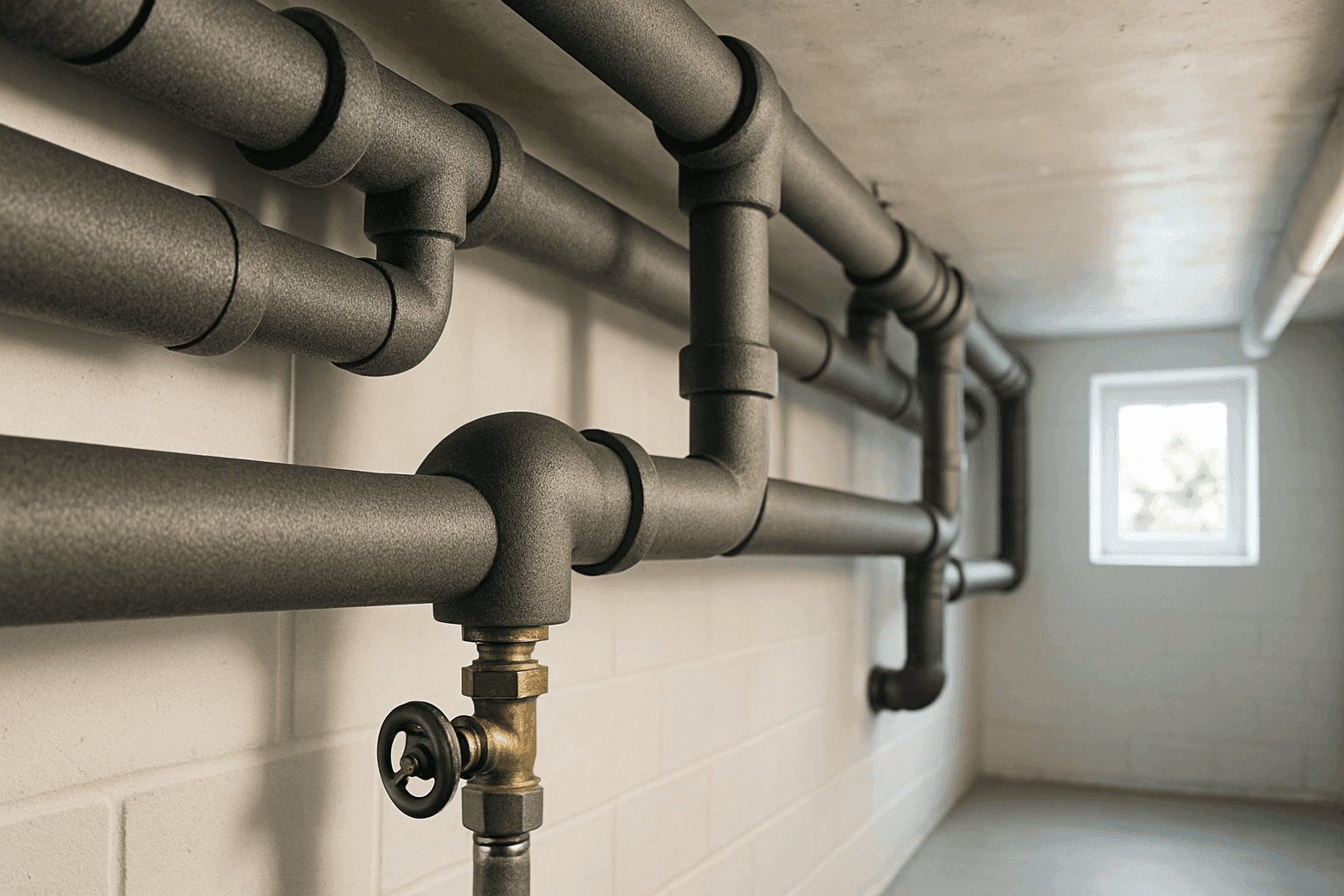
- Insulate exposed pipes: Foam pipe sleeves are easy to slip on and available at any hardware store. For tighter spaces, even newspaper can help in a pinch.
- Seal gaps and cracks: Use caulk or spray foam around holes where pipes run through walls or floors. Cold air can sneak in through the tiniest gaps.
- Open cabinet doors: Let warm air circulate around pipes under sinks, especially on cold nights.
- Let faucets trickle: A slow drip keeps water moving, making it less likely to freeze. Focus on pipes furthest from your main water line.
- Keep the heat on: Even if you’re away, don’t let your home drop below 55°F (13°C).
- Disconnect garden hoses: Shut off and drain outdoor faucets and sprinkler systems.
- Check your sump pump: A frozen discharge line can lead to basement flooding.
- Use heat tape (carefully): UL-listed heat cables can be a lifesaver on stubborn problem pipes. Always follow manufacturer instructions and local codes.
Remember, small steps now mean you won’t be ankle-deep in regrets later.
How to Thaw Frozen Pipes Safely
So your faucet won’t budge and you suspect a freeze. Don’t panic. Here’s what to do:
- Shut off the main water supply. This prevents a potential flood if the pipe bursts while thawing.
- Open the affected faucet. Relieves pressure and lets water escape as it melts.
- Apply warmth: Use a hair dryer, heating pad, or warm towels. Start near the faucet and work toward the frozen section.
- Never use open flames: Blowtorches and propane heaters can cause fires or damage pipes.
- Check for leaks: Once water flows, watch closely for any cracks or drips.
If you can’t locate the freeze, or if a pipe has burst, call for emergency plumbing help immediately.
When to Call a Pro 📞
Some pipe problems are bigger than a DIY fix. Call Soracco Plumbing if:
- You can’t find the frozen section.
- Pipes are hidden behind walls or ceilings.
- Thawing isn’t working after a reasonable time.
- You spot leaks, bulging pipes, or water stains.
- You’re unsure about using heat tape or insulation safely.
Our team handles emergencies 24/7, and we’re always ready with the right tools and experience. Don’t risk costly water damage. It’s better to call early than mop up later.
The True Cost of Burst Pipes
Let’s talk numbers for a minute. According to the Insurance Institute for Business & Home Safety (IBHS), a single burst pipe can cause $5,000–$70,000 in water damage, depending on your home’s size and where the break occurs. That’s not just repair bills—it’s lost family photos, ruined furniture, and weeks of disruption.
Compare that to the cost of pipe insulation and a few hours of prep. Prevention isn’t just smart. It’s a bargain.
Winterization: Soracco Plumbing’s Local Tips
Every region has its quirks. In our area, rapid temperature swings and occasional deep freezes catch homeowners off guard. Here’s what we’ve learned:
- Don’t trust “mild” winters: It only takes one cold snap to cause trouble.
- Older homes need extra care: Even if you’ve never had trouble before, insulation can settle, and weather patterns change.
- Check your boiler and water heater: Both are vital for keeping pipes warm and water flowing.
- Schedule a professional gas safety check: Especially if you rely on Gas Line Installation near you for heating or appliances.
- Plan for power outages: If you lose heat, pipes are more vulnerable. Have a backup plan.
Our techs are trained to spot risks you might miss—from hidden leaks to outdated fixtures. We bring real-world experience and up-to-date code knowledge, so your winter prep is thorough.
Frequently Asked Questions
How do I know if my pipes are frozen?
Signs include no water or a slow trickle from faucets, frost on pipes, or strange smells from drains. If in doubt, contact a pro.
Can I use a space heater to thaw pipes?
You can, but use extreme caution. Never leave it unattended, and keep it away from flammable materials. Hair dryers and heating pads are safer for direct application.
What should I do if a pipe bursts?
Shut off your main water valve immediately. Move valuables out of the area, then call for emergency plumbing help.
Is it safe to use salt or chemicals to thaw pipes?
No. These can damage your plumbing and may not be effective. Stick to gentle, indirect heat.
Final Thoughts: Prevention Pays Off
Cold weather is tough on homes. But you don’t have to let winter win. With a sharp eye, a little prep, and trusted help when you need it, frozen pipes and burst disasters are easy to avoid.
Soracco Plumbing is here for every step. Whether you need pipe insulation, Gas Line Installation near you, or emergency plumbing—don’t wait until you’re ankle-deep in water.
Call Soracco Plumbing now — or reach us anytime at 877-362-3197 .