Gas Line Installation Safety: What Every Homeowner Should Know
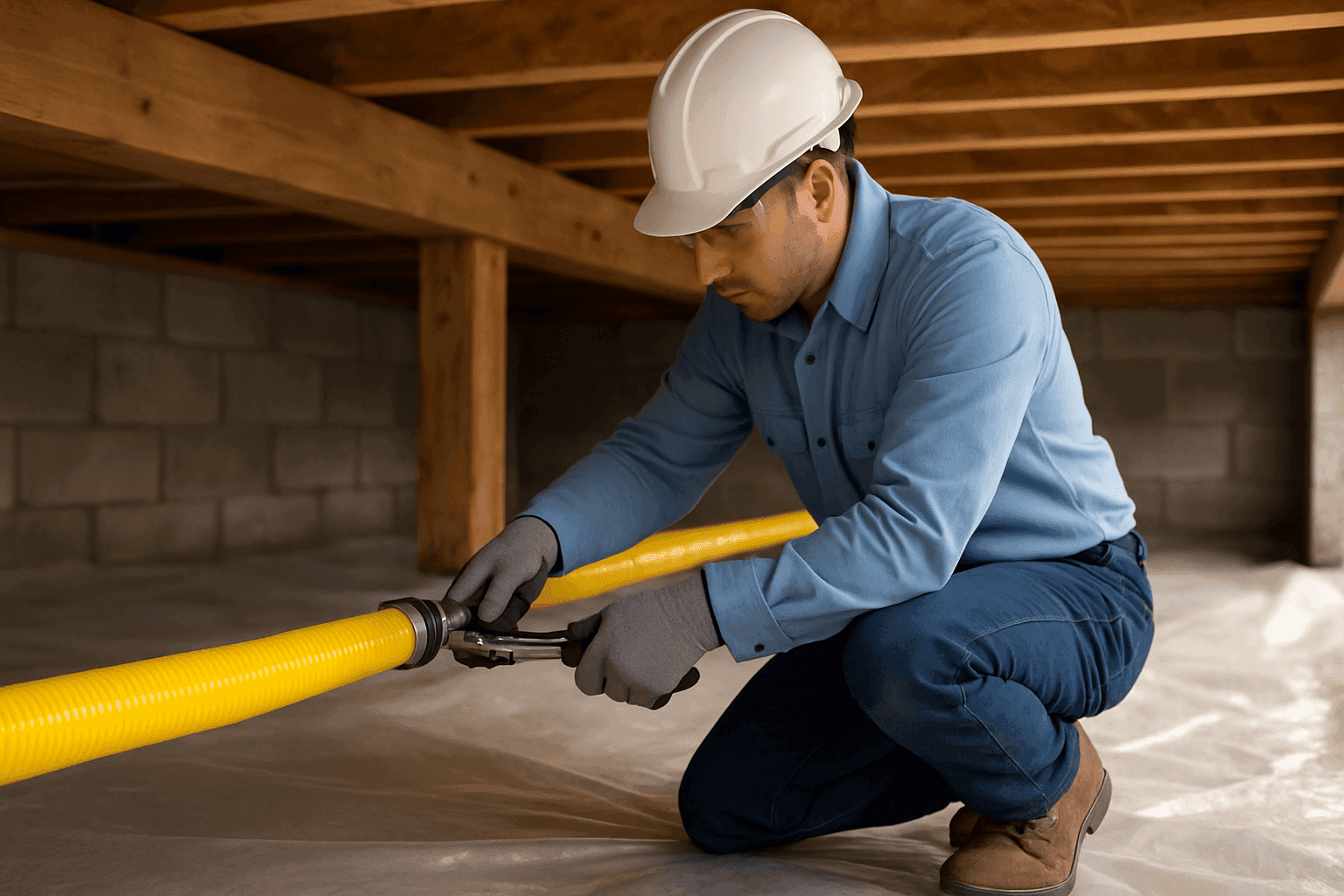
Is the faint smell of gas in your home making you uneasy? Or maybe you’re planning a kitchen upgrade and need a new gas line installed. Either way, any work involving gas lines demands serious attention. The stakes are high—your safety, your property, and your family’s well-being are on the line.
At Soracco Plumbing, we help homeowners just like you handle gas line installation and emergency plumbing situations. Our certified team follows strict protocols, so you never have to lose sleep over hidden leaks or code violations.
Gas Line Basics
Think of your gas lines as the arteries of your home, quietly delivering energy to your stove, furnace, or water heater. But just like arteries, if something goes wrong, the consequences can be severe.
- What are gas lines? Pipes that carry natural gas or propane to appliances.
- Common materials: Steel, copper, and flexible CSST (corrugated stainless steel tubing).
- Risks: Leaks can lead to fire, explosion, or carbon monoxide poisoning.
When it comes to gas, there’s no room for shortcuts. Even a minor installation error can have big consequences.
Safety Standards & Codes 🏡
Gas work isn’t a guessing game. Local, state, and national codes exist for a reason—to keep people safe.
- Permits are mandatory. Most areas require a permit before any gas line installation or repair.
- Inspections protect you. After installation, a licensed inspector checks for leaks and proper connections.
- Approved materials only. The National Fuel Gas Code (NFPA 54) and International Residential Code (IRC) set strict standards.
Even the handiest homeowner should never skip steps or try to “just wing it.” The law requires certain safety practices for a reason.
Choosing a Qualified Installer
You wouldn’t let just anyone perform heart surgery. The same goes for gas line installation. Here’s what to look for:
- Licensing: Always use a plumber licensed for gas work.
- Insurance: Make sure they carry liability and workers’ compensation coverage.
- Certifications: Ask about training in gas safety and code compliance.
- References: A reputable plumber will have a track record of safe, legal installations.
At Soracco Plumbing, every job is handled by trained professionals who know the codes like the back of their hand.
Signs of Gas Leaks
Gas leaks don’t always announce themselves with a loud bang. Sometimes, they whisper. Here’s what to watch—and smell—for:
- Rotten egg smell: Utility companies add this scent for safety.
- Hissing or whistling: Listen near gas appliances or lines.
- Dead plants: Dying vegetation over buried lines may signal a leak.
- Physical symptoms: Headaches, nausea, dizziness, or sudden fatigue.
If you notice any of these, evacuate immediately and call emergency services. Do not flip switches or use phones inside the house.
Emergency Procedures
When it comes to gas, hesitation is dangerous. If you suspect a leak:
- Get out. Leave the house immediately.
- Don’t use electronics. No lights, phones, or garage door openers.
- Shut off the gas at the main valve, if it’s safe to do so.
- Call emergency services and your gas provider from outside.
- Contact a certified plumber for emergency plumbing repairs.
Soracco Plumbing responds quickly to emergency plumbing calls—day or night. Your safety comes first.
Quick Safety Checklist
Keep this mental checklist handy when considering gas line installation near you:
- [ ] Is the installer licensed and insured?
- [ ] Has a permit been secured?
- [ ] Are only approved materials being used?
- [ ] Will the job be inspected after completion?
- [ ] Are all joints and connections leak-tested with a manometer or soap solution?
- [ ] Are emergency shut-off valves accessible?
Checking these boxes means you’re doing your part to keep your home safe.
DIY vs. Call a Pro
DIY projects can be fun—painting a room, building a deck, maybe even tiling a backsplash. But gas work is a whole different animal. Here’s why:
- Hidden dangers: Gas is invisible and leaks can spread silently.
- Legal risk: Unpermitted work may void insurance or break the law.
- Specialized tools: Pressure testing, leak detection, and code compliance require professional equipment.
Trying to “wing it” with a gas line is like playing with fire—literally. Always call a licensed plumber for gas work.
What Pros Do On Arrival
When a professional from Soracco Plumbing walks through your door, here’s what you can expect:
- Assessment: We review your home’s layout and gas needs.
- Material selection: Only approved, code-compliant materials are used.
- Permitting: We handle the paperwork and coordinate inspections.
- Installation: Pipes are measured, cut, and installed with precision.
- Testing: Every joint and connection is checked for leaks with industry-standard tools.
- Final walkthrough: You’ll know where shut-off valves are and what to do in an emergency.
You get peace of mind, knowing the job is done right.
Prevention & Maintenance
Once installed, gas lines shouldn’t need much attention—but “set it and forget it” isn’t wise. Here’s what helps keep things safe:
- Annual inspections: Recommended by the U.S. Consumer Product Safety Commission.
- Keep vents and flues clear: Blockages can cause carbon monoxide buildup.
- Monitor appliance performance: Flickering pilot lights or odd noises can signal trouble.
- Know your shut-off valves: Everyone in the house should know how and where to turn off the gas.
A little vigilance goes a long way to prevent emergencies.
Costs & Time Factors
While every home is different, here’s what to consider:
- Cost depends on: Length of pipe, complexity of the route, materials, and local permit fees.
- Time frame: A straightforward installation may take a few hours; more complex jobs can take a day or more.
- Unexpected issues: Old pipes, hidden leaks, or code upgrades can add time and cost.
A quality job rarely comes cheap—but it’s nothing compared to the price of a disaster.
When It’s an Emergency
Not all plumbing problems can wait. Here’s when to call Soracco Plumbing for emergency plumbing:
- You smell gas or suspect a leak.
- A gas appliance won’t shut off or ignites unexpectedly.
- You hear hissing from a gas line.
- Any time you feel unsafe.
Don’t wait. Seconds matter.
FAQ
How often should gas lines be inspected?
The U.S. Consumer Product Safety Commission recommends annual inspections for older homes or homes with frequent appliance changes.
Is flexible CSST tubing safe?
Yes—when installed by a licensed plumber and properly bonded, CSST meets code standards and is widely used.
Can I install or move a gas line myself?
No. Most local codes prohibit unlicensed gas work. It’s risky, illegal, and could void your insurance.
What do I do if a gas line is damaged during a renovation?
Evacuate, shut off the main gas valve if safe, and call emergency services. Then contact a licensed plumber for repairs.
Local & Seasonal Considerations
Every region has its quirks. In colder climates, frost heave can shift underground pipes. In earthquake zones, flexible connectors may be required by code. Seasonal storms can cause tree roots or other hazards to impact buried gas lines.
Local building departments and the National Fuel Gas Code provide guidance for your area. At Soracco Plumbing, we stay updated on all seasonal and regional safety practices.
Your home should be a safe haven—not a source of worry. For gas line installation near you, emergency plumbing, or any questions about your home’s safety, Soracco Plumbing is just a call away.
Call Soracco Plumbing now — or reach us anytime at 877-362-3197 .