Fixture Installation Guide: Faucets, Toilets, and Sinks Made Easy
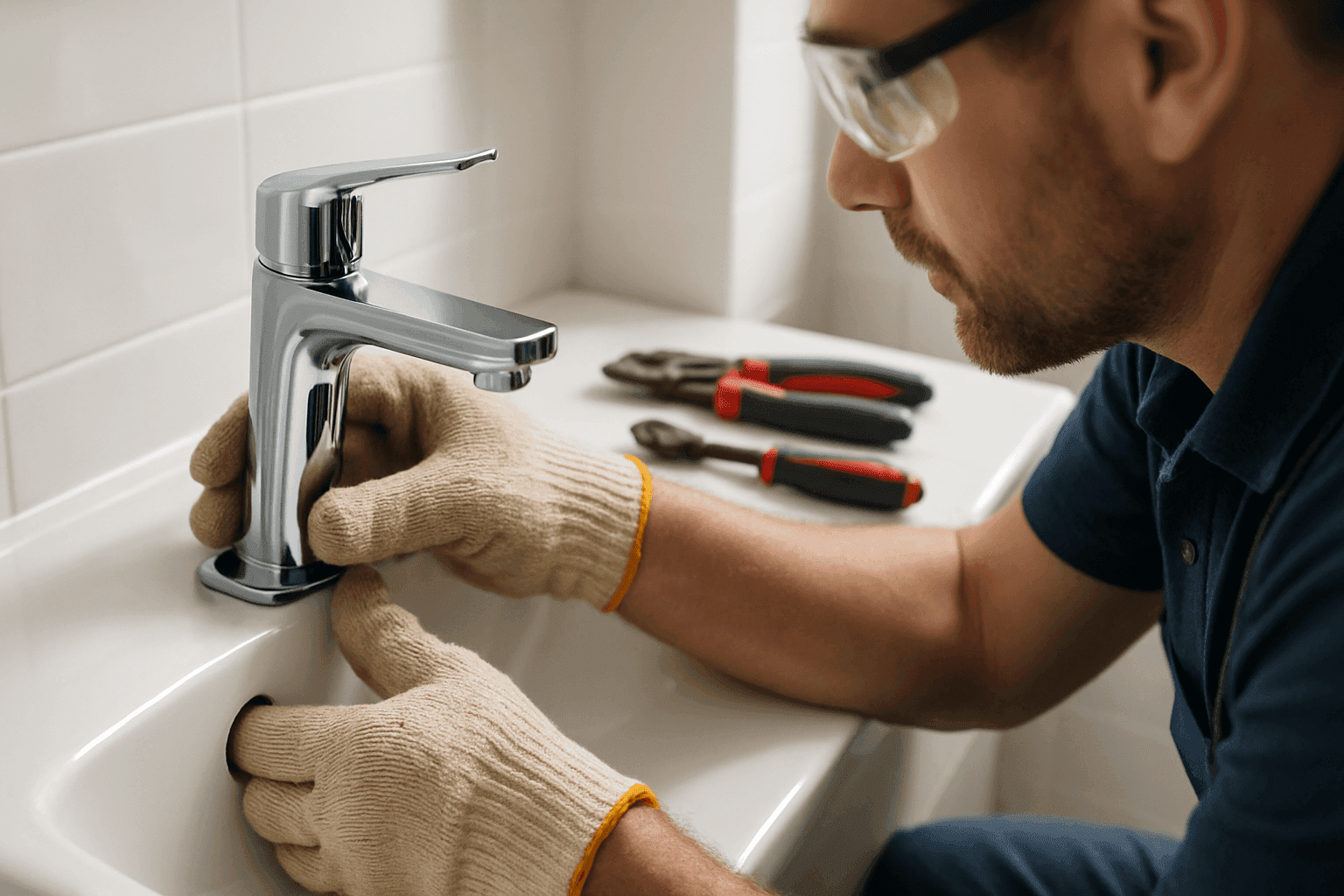
Looking to upgrade your bathroom or kitchen? Maybe your faucet’s dripping, your toilet’s wobbling, or your sink has seen better days. If you’re a homeowner, you know these little interruptions can quickly become big headaches. That’s where Soracco Plumbing steps in. Our seasoned team handles everything from emergency plumbing to perfect fixture installation—so you don’t have to sweat the drips, leaks, or unexpected floods.
But what if you want to try your hand at a quick fix? Or you want to know what to expect when a pro arrives? This guide has you covered. We’ll break down the process, share real-life tips, and help you decide when it’s better to roll up your sleeves—or pick up the phone.
Tools & Prep: Get Ready Before You Begin 🛠️
Every smooth fixture installation starts with the right prep. Imagine baking a cake without flour—missing a tool can turn a 30-minute job into an all-day project. Here’s what you’ll need for most faucet, toilet, and sink installs:
- Adjustable wrench (for those stubborn nuts)
- Basin wrench (makes tight spaces manageable)
- Plumber’s tape (keeps leaks at bay)
- Screwdrivers (Phillips and flathead)
- Bucket and towels (for inevitable drips)
- Putty knife (scrapes old gunk)
- Level (no one wants a crooked sink)
- New supply lines (fresh and reliable)
- Silicone caulk or plumber’s putty
Pro Tip: Double-check your parts before starting. Missing gaskets or washers are like missing puzzle pieces—frustrating and crucial.
Before you touch a pipe, shut off the water supply. If you’re not sure where it is, trace the lines back from your fixture—there’s usually a dedicated valve nearby. No shutoff? Head to your main water line.
Step-by-Step Installation (by Fixture)
Installing a Faucet
- Remove the old faucet: Disconnect water supply lines using your wrench. Unscrew mounting nuts from beneath the sink.
- Clean the area: Scrape away old putty and grime for a fresh seal.
- Set the new faucet: Insert it into the mounting holes. Use plumber’s tape on threaded connections.
- Tighten everything: Secure mounting nuts. Reconnect supply lines—hand-tight, then a quarter turn with the wrench.
- Turn on water: Check for drips. If you spot one, tighten gently or re-seat the washer.
Installing a Toilet
- Drain and remove the old toilet: Shut off water, flush to empty tank, use a sponge for leftovers. Unscrew bolts, rock gently to break the wax seal.
- Prep the flange: Scrape off old wax. Set a new wax ring.
- Position the new toilet: Lower carefully onto bolts. Press down to seal.
- Secure and connect: Hand-tighten bolts evenly. Attach tank to bowl if separate, reconnect water supply.
- Test and caulk: Flush a few times. Caulk the base for a neat finish.
Installing a Sink
- Remove the old sink: Loosen slip nuts under the drain, disconnect supply lines, cut caulk.
- Set the new sink: Dry-fit to ensure a snug fit. Apply caulk or putty around the rim.
- Secure and attach: Lower into place, tighten mounting hardware, reconnect supply and drain lines.
- Check for leaks: Run water, inspect all connections.
Remember: Each fixture may have unique quirks—always read the manufacturer’s manual for special steps.
Common Mistakes to Avoid 🚫
Plumbing jobs can go sideways in a blink. Here’s what trips up even handy homeowners:
- Over-tightening connections (which cracks fittings and causes leaks)
- Skipping plumber’s tape on threaded connections
- Reusing old supply lines or washers
- Ignoring local plumbing codes (which can lead to costly corrections)
- Forgetting to level sinks or toilets (hello, wobbles)
- Rushing through leak tests—take your time!
If you’re unsure, the International Association of Plumbing and Mechanical Officials (IAPMO) offers clear guidelines on code compliance. Always check your local regulations before starting.
Benefits of Professional Installation
Why call Soracco Plumbing instead of going it alone? Sometimes, what looks simple hides a tangle of old pipes, hidden leaks, or code complexities. Here’s what our crew brings to your doorstep:
- Years of real-world experience with every fixture under the sun
- Proper tools and access to specialty parts
- Up-to-date on plumbing code (so you stay safe and legal)
- Fast troubleshooting for stubborn or corroded pipes
- Reliable emergency plumbing—day or night
Sure, DIY can be satisfying. But a botched install can mean water damage, wasted money, and more stress. Sometimes, peace of mind is worth every penny.
Quick Safety Checklist
Before you start any installation:
- Shut off the water at the local valve or main.
- Turn off power (if working near outlets or disposals).
- Wear gloves and safety glasses.
- Ventilate the area—especially if using strong cleaners or adhesives.
- Keep kids and pets away until the job’s done.
DIY vs. Call a Pro
When is a fixture install a good DIY project, and when is it better to call for backup?
DIY-Friendly:
- Replacing a basic faucet or showerhead
- Swapping out a simple kitchen or bathroom sink
- Installing a new toilet on an existing flange
Call a Pro For:
- Older homes with brittle pipes or out-of-date connections
- Gas Line Installation near you (always a pro job!)
- Moving fixtures (requires new plumbing runs)
- Any sign of leaks in walls or floors
- Repeated clogs or water pressure issues
If a job starts to feel overwhelming, don’t push your luck. Water can find its way into places you never imagined.
What Pros Do On Arrival
When Soracco Plumbing steps in, here’s what you can expect:
- Quick assessment of your current setup
- Inspection for hidden leaks, corrosion, or code issues
- Careful removal of old fixtures (without damaging floors or counters)
- Clean, precise installation with all connections double-checked
- Thorough leak testing
- Site cleanup, so your home looks as good as new
We treat your home with the respect it deserves—no muddy boots, no left-behind parts.
Prevention & Maintenance
A little attention now saves big headaches later. Here’s how to keep your fixtures happy:
- Check supply lines every 6 months for signs of wear or leaks
- Clean faucet aerators to prevent clogs
- Tighten mounting nuts if you notice wobbling
- Avoid harsh chemicals that can corrode seals
- Test water shutoff valves annually to make sure they work
For backflow prevention, regular testing is essential—especially in homes with irrigation or fire sprinklers.
Costs & Time Factors
Budget and timing depend on your fixture and home setup:
- Faucets: 30–60 minutes for DIY, less for a pro
- Toilets: 1–2 hours, depending on removal and sealing
- Sinks: 1–3 hours, especially if cutting into new countertops
Costs vary with fixture quality, plumbing condition, and location. Unexpected hiccups—like rusted shutoff valves—can add time.
Remember, a straightforward install can quickly get complicated if you discover old leaks, mold, or damaged pipes.
When It’s an Emergency
Some plumbing problems can’t wait:
- Water gushing from a broken supply line
- Overflowing toilets or backed-up drains
- Sudden drops in water pressure throughout the house
- Signs of a major leak (wet floors, bulging ceilings)
In these cases, shut off the main water and call for emergency plumbing right away. Fast action limits water damage and avoids bigger bills down the road.
FAQ
How do I know if my shutoff valve is working?
Turn the valve fully clockwise. If water still trickles out, or the handle spins loosely, it’s time for a replacement.
Can I install a new toilet myself?
Yes—if your flange is in good shape and you’re comfortable lifting and aligning heavy fixtures. Otherwise, a pro can save your back (and your floor).
Why do I need plumber’s tape?
It helps seal threaded connections, preventing slow leaks that can cause hidden damage over time.
Do I need a permit for fixture installation?
For most simple swaps, no. But moving plumbing or installing new lines may require a permit. Always check with your local building department or reference the Uniform Plumbing Code.
Local/Seasonal Considerations 🌦️
If you live in an area with freezing winters, insulate pipes and fixtures near exterior walls. In older homes, pipes may sweat or drip with seasonal temperature swings—check regularly for condensation and address leaks quickly. For homes with hard water, mineral buildup can clog aerators and valves faster—routine cleaning keeps things running smooth.
Call Soracco Plumbing now — or reach us anytime at 877-362-3197 .